Dark-eyed Junco
Latin: Junco hyemalis
From California's coastal estuaries to inland wetlands and waterbodies, water is the foundation of life.
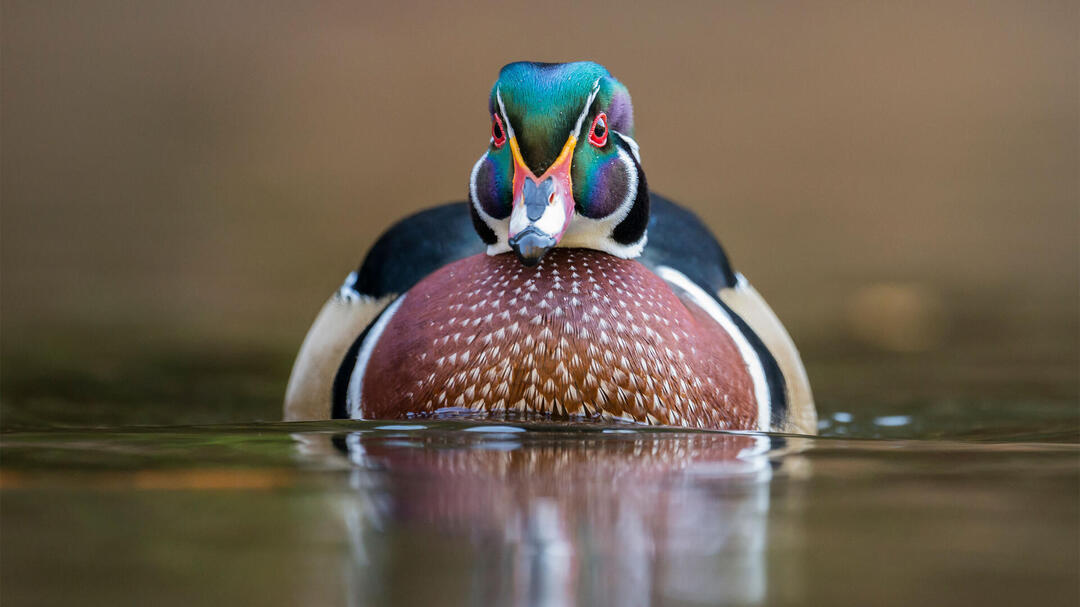
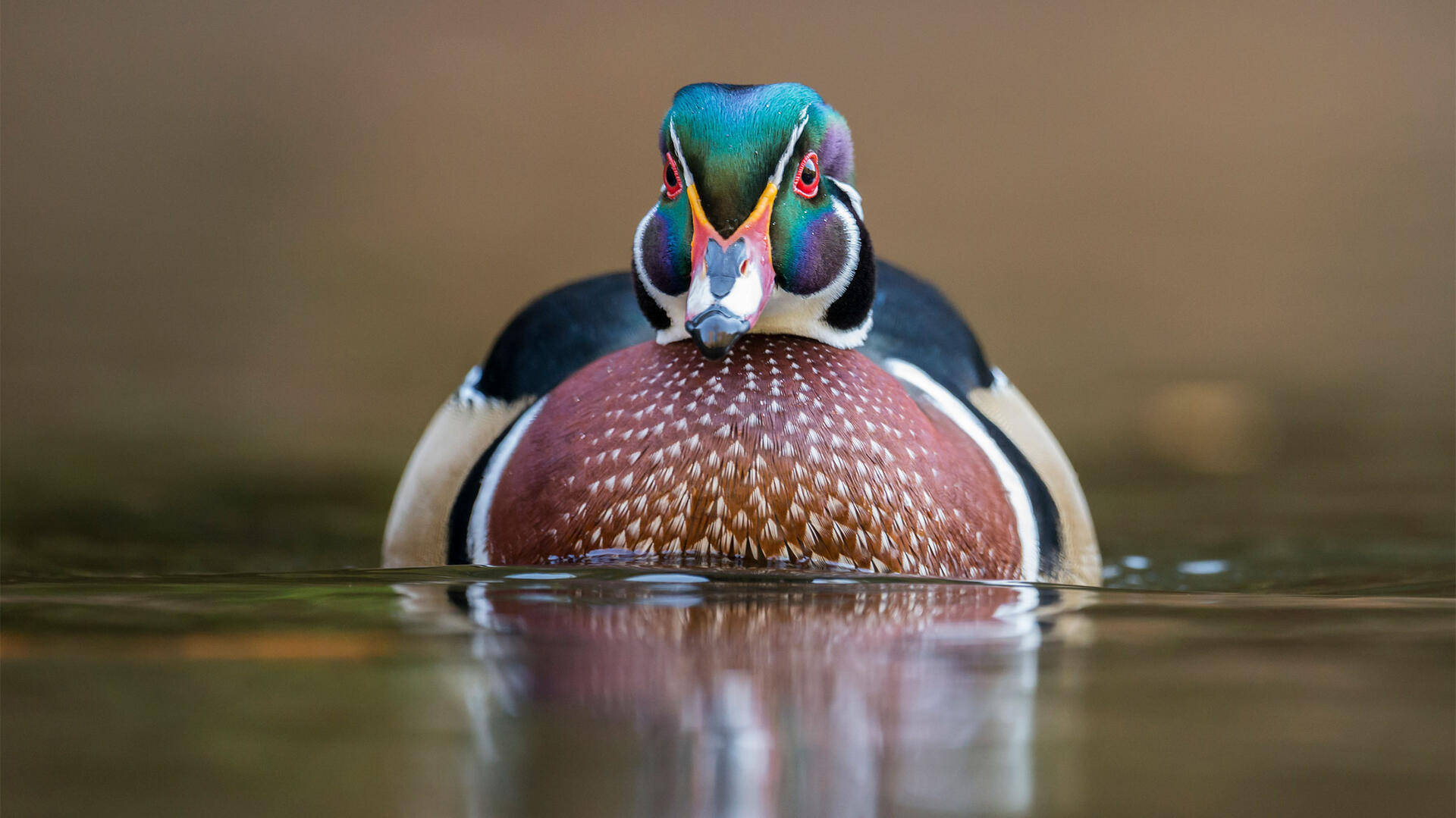
Wood Duck Photo: Harry Collins
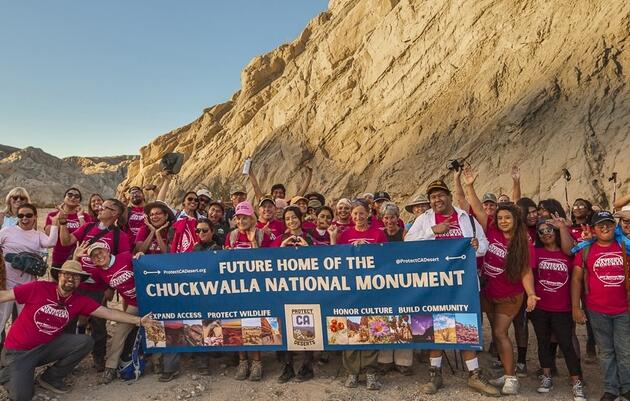
Audubon and broad coalition of Tribal, community and conservation organizations call for protection of more than 620,000 acres of California desert
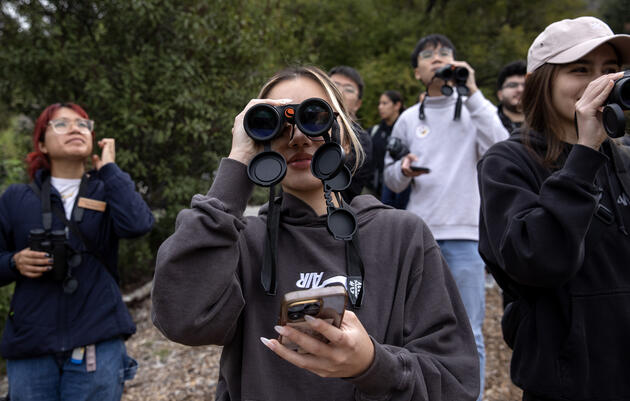
Join with other young leaders (ages 20-29) in LA County working to become coastal stewards!
Join thousands of Californians calling upon the President to designate the proposed Chuckwalla National Monument.
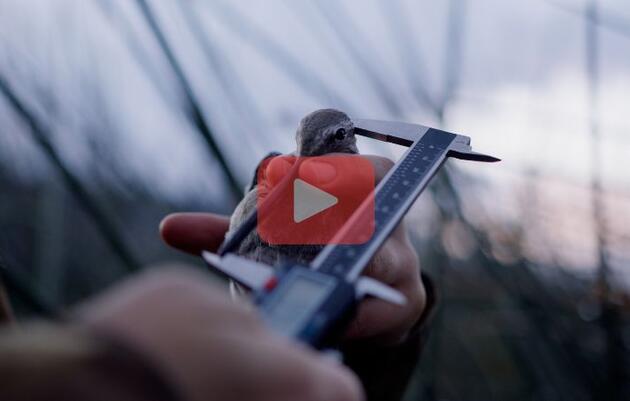
An innovative partnership to save California’s vulnerable birds
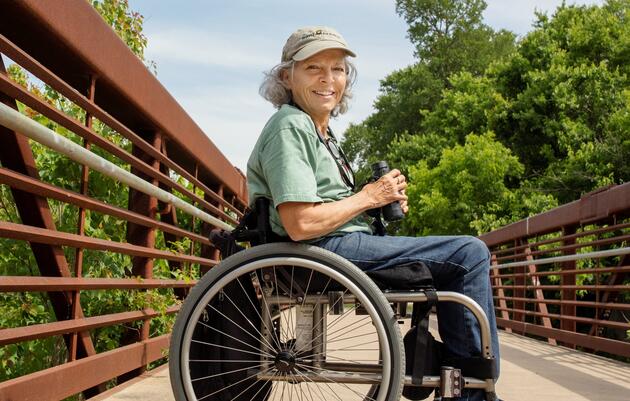
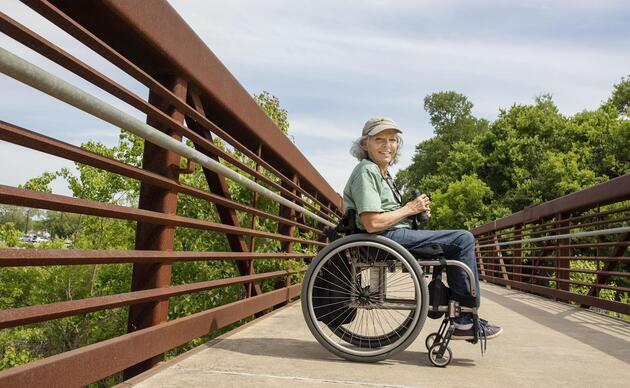
Virginia Rose, founder of Birdability, tells the story of how birds transformed her life.
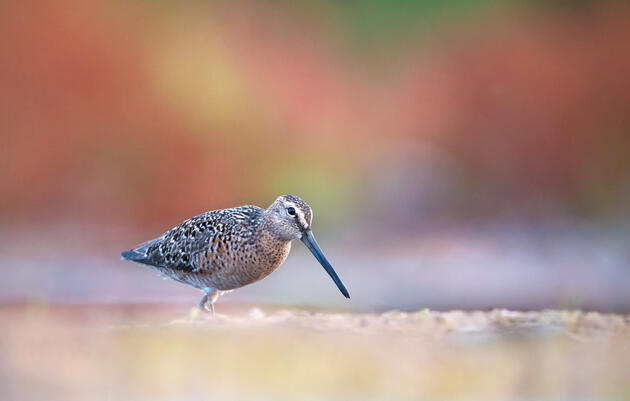
Ensuring SGMA Doesn’t Leave Small Community Water Systems & Critical Wetlands High and Dry
Enjoy DIY activities that can be done at home or in a yard or park to give your child space to explore and feel connected to the natural world. Also available in Español.
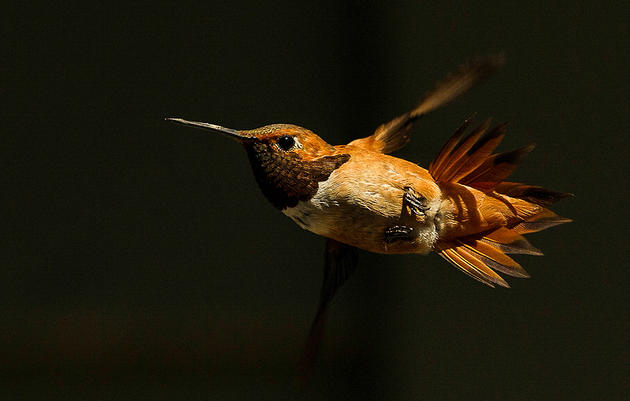
389 Species on the Brink: Two-thirds of North American birds are at increasing risk of extinction from global temperature rise.
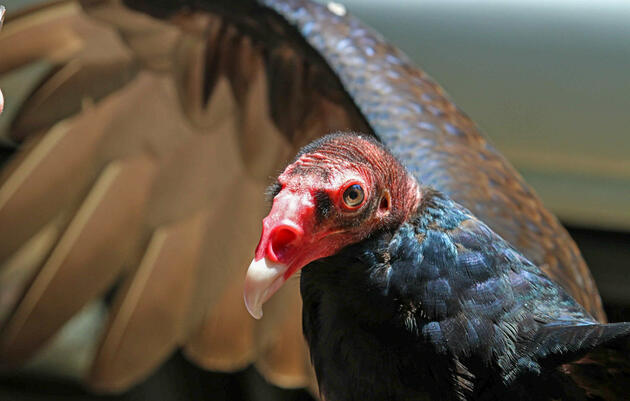
A sudden encounter inspires an ode to the Turkey Vulture
Ensure birding is for everybody and every body! This map catalogs the physical accessibility of birding sites and hiking trails, created with Birdability.
Audubon California was established in 1996 as a field program of the National Audubon Society, overseeing the organization's properties and leading conservation efforts. But our work in California goes back to the earliest days of the national organization, even before its formal founding. Audubon's legacy of conservation and activism in the Golden State establishes it as a force for conservation along the Pacific Flyway.
Audubon California Newsletter comes to your inbox monthly with breaking news and important conservation updates from our state.
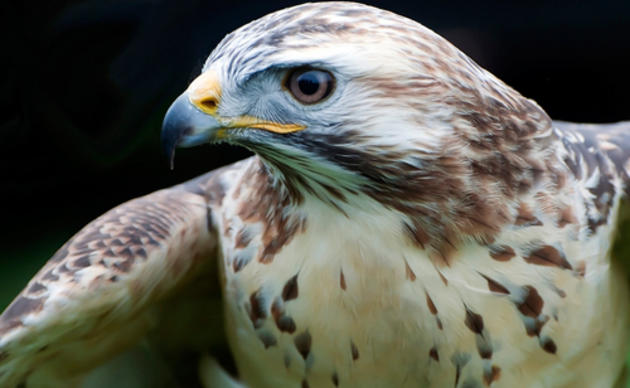
Help secure the future for birds at risk from climate change, habitat loss and other threats. Your support will power our science, education, advocacy and on-the-ground conservation efforts.
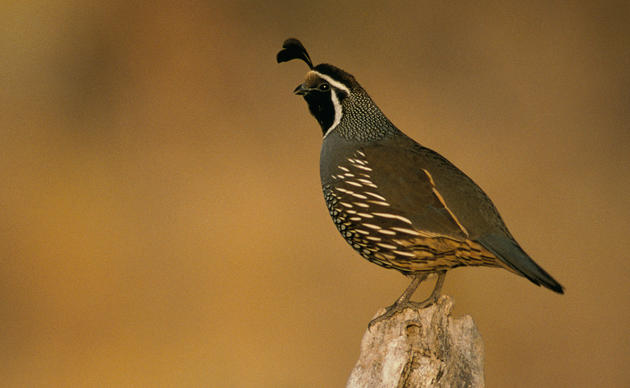
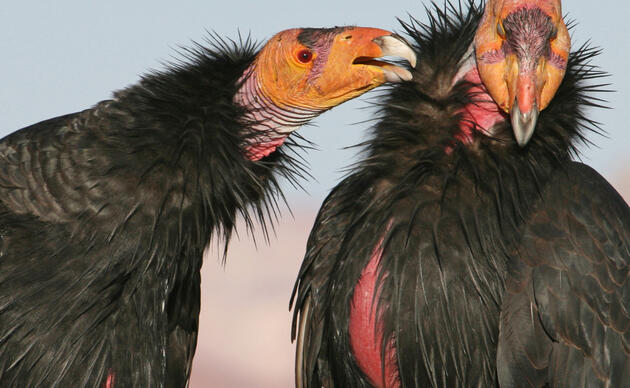
Your advocacy helped save the California Condor. Tell your reps you want a climate bond to ensure the future of critical conservation efforts.